The horror film genre is quickly changing.
Over the past five years, movie-goers have been treated to some of the most frightening, complex, and unique visions from the genre in decades.
While the 90s and 2000s saw their fair share of great horror films, it wasn’t quite the same as what seems to be happening now with so many great horror films coming out quite consistently.
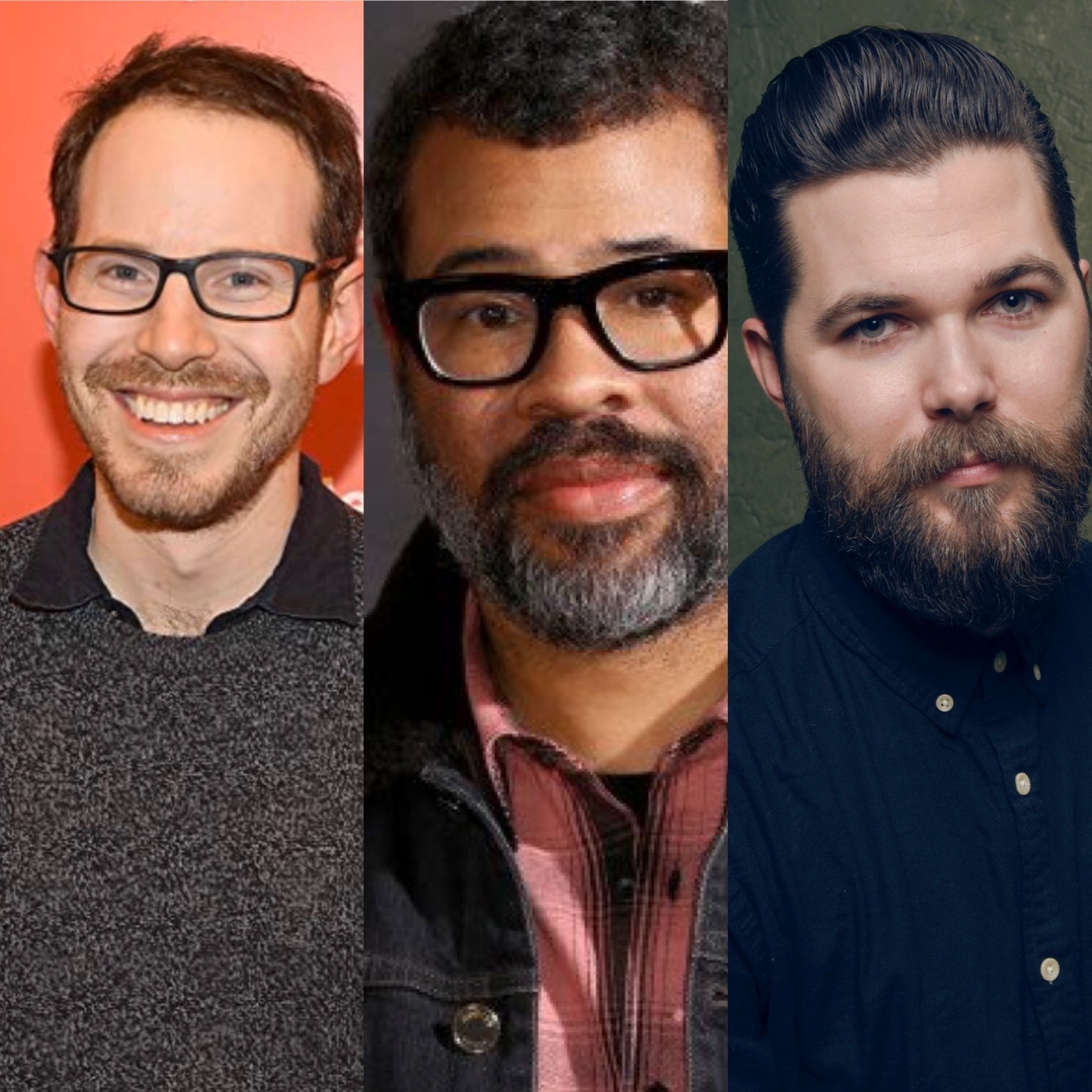
Leading the way of this movement are directors Jordan Peele, Ari Aster, and Robert Eggers. All of which are new to the movie directing business, making their directing debuts since 2015. Combining for six films which have all explored the genre in a new and exciting way.
In the past horror movies were incredibly simple, the jump scares, timing, and especially the plots were very basic. While there have been plenty of enjoyable slasher movies like the Halloween, Friday the 13th, and Nightmare on Elm Street series, they are all very predictable.
In this new wave of films, Peele, Aster, and Eggers have opted for more complex, thought-provoking, slow-burning plots rather than rely on jump scares.
Attention to Detail
For a movie to get under the skin of the average movie-goer, it needs to be conceived and thought through with incredible attention to detail.
Take Aster’s first feature film Hereditary, where the overlying plot of the film focuses on a recently-passed away relative who had manipulated members of her family her whole life to the benefit of a cult. Despite it being in the background of the movie, Aster still took the time to write an extensive history of the cult and their relationship to the family even though it wouldn’t really make it into the script and become blatantly obvious to the audience.
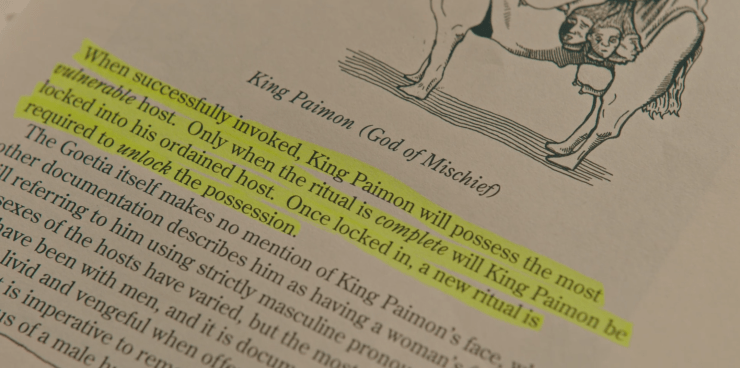
Credit: A24
In the case of the other two, Peele and Eggers, both put in an extensive amount of time doing research of history to skillfully place into their movie.
With Peele in his second feature film Us where he found a real-life event from the 80s in Hands Across America and implemented it into the plot of the movie, putting his own spin on it.
In the case of Eggers, he did exhaustive research on the 17th century for his film The Witch, to the point where Eggers asked his production designer to create furniture using the same tools and techniques that would have been used in 17th century New England.
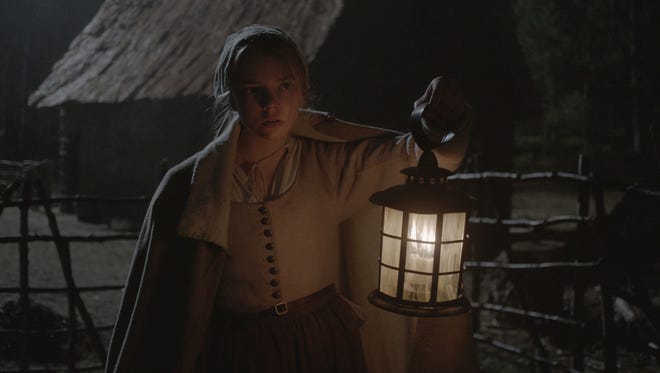
Credit: Universal Pictures
This attention to detail is necessary because of how knowledgable movie audiences have become. They have become used to the usual plot of a horror story. They know when to expect jump scares and tropes. For a horror movie to be successful in this age, it needs to be deep with even the smallest of details being developed exhaustively.
Manipulating the mind of the audience
Horror movie villains like Jason Voorhees or Michael Myers have become played out. These days, new-wave horror movie directors have began targeting the minds of their audience. Making them think twice on what is real and what is not.
Now there are some examples of “psychological horror” in the past such as Stanley Kubrick’s The Shining (1980) or William Friedkin’s The Exorcist (1973), directors like Peele, Aster, and Eggers have built on the genre, continuing the movement that began back in the 70s and 80s.
The driving force of these new horror movies are usually small hints that seem to be irrelevant to the story or even missed by the audience but slowly grow more apparent as the movie goes on. These small hints, as the movie progresses, become a range of unsettling possibilities in the viewers mind and making them question what is really going on that the film is keeping hidden from the audience.
Slowly, these questions are answered but as they are, more arise.
By the movie’s end, they have left the audience with deep questions unlike most movies which answer all by their conclusion or if they do leave a question, its something basic like “what if the killer is still alive?”.
Instead of answering all questions by the end of the film, they continue the mystery.
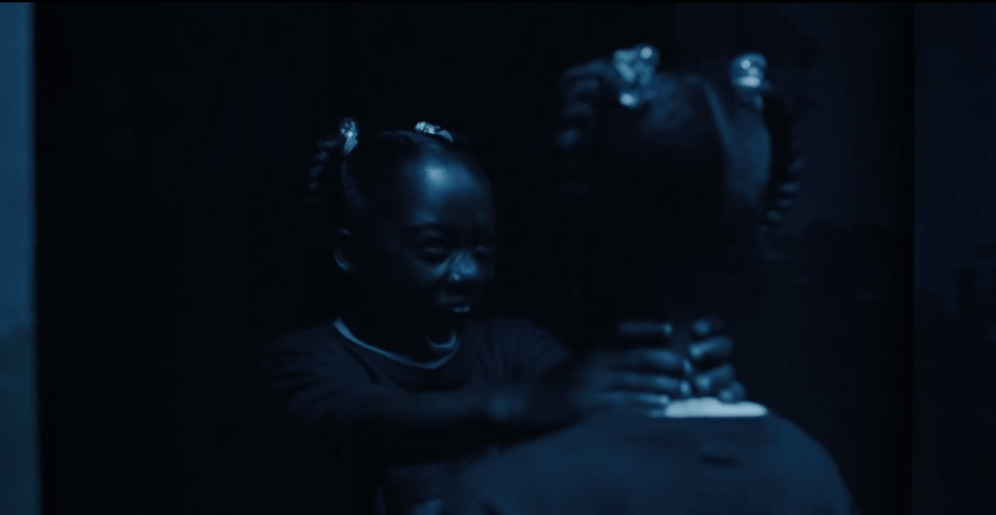
Credit: Universal Studios
Take Peele’s Us for example, which tells the story of the real world vs. identical underworld counterparts who have come into the real world to kill off their “real world” selfs. By the end of the movie, the main family gets out alive.
The story seems over.
But in the last scenes, Peele shows that the mother of the family has actually been an underworld counterpart all along and kidnapped the real life version of herself and took over her life. Meanwhile the underworld counterpart and leader of the “untethering” movement was actually a real life person who had been unwillingly swapped.
The Movement
While these characteristics are not exclusive to these three directors nor the past five years of horror films, previous films have not been done to the likes of the trinity of Aster, Peele, and Eggers and not as often.
These three directors are taking horror films to a whole new level.
This movement has been dubbed “elevated horror”, insinuating that these new horror movies are superior to the slasher films that came out in the 70s and 80s. While I don’t think this is necessarily the case as those movies were great and worked in that time period.
I believe that this new movement is simply the evolution of horror films thanks to a more intelligent audience. It’s not that these directors are better than directors from the past, it’s just that the new generation is advancing the genre to better suit a new audience. One that is no longer going to fall for jump scares, they need something more. Something that the trinity of Aster, Peele, and Eggers have been providing regularly and with excellent execution.
_________________________________________________________________________________________
Featured Image courtesy of Matt Winkelmeyer/Getty Images (photo of Aster), Joel C Ryan/Associated Press (photo of Peele), and Larry Busacca/Getty Images (photo of Eggers)
 Dean Snock's Blog